An FD-258 ink fingerprint card looks simple, which is exactly why it gets rejected so often. When a card comes back for a bad impression or a header error, an out-of-state applicant can lose weeks to a redo they cannot easily schedule. Knowing why cards fail is the key to getting one accepted on the first try.
Poor impressions are the top cause
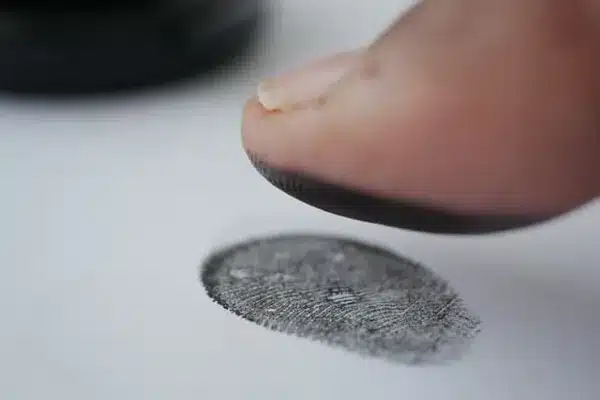
The most common rejection is a print that is too light, too dark, smudged, or smeared. Ink fingerprinting is a skill, and an untrained hand produces cards that agencies bounce. A clean, properly rolled impression is what passes.
Header and data errors
Cards also fail for missing or incorrect information in the header, wrong personal details, a missing reason for fingerprinting, or an omitted agency field. These errors have nothing to do with the prints and everything to do with completing the card correctly.
Why the redo hurts
For an out-of-state or licensing applicant on a deadline, a rejected card is not a minor setback. Mailing it back, rescheduling, and resubmitting can add weeks, sometimes at the worst possible moment in an application.
Getting it right the first time
A card rolled by a DOJ-certified technician, with the header completed correctly for the requesting agency, is what avoids the whole rejection cycle. The visit takes about ten minutes; the time saved can be weeks.
When you need an ink card instead of Live Scan
Electronic Live Scan works for California submissions, but many out-of-state agencies, federal applications, and licensing boards still require a physical FD-258 ink card mailed in. If your requesting agency is outside California or asks specifically for a card, Live Scan will not satisfy it. Knowing which one your situation calls for before you arrive avoids doing the wrong thing twice.
The slow way versus a ten-minute visit
Rolling your own FD-258 ink card, or having it done somewhere without experience, is where rejections happen: light impressions, smudges, a missing detail in the header. The agency mails it back, and an out-of-state applicant on a clock loses weeks to a redo.
Our DOJ-certified technicians roll FD-258 cards correctly the first time in about ten minutes, accepted by agencies in all fifty states. Walk in, or book an appointment. If you also need electronic submission, ask about Live Scan fingerprinting.
Frequently asked questions
Why do FD-258 fingerprint cards get rejected?
Most often for poor impressions, prints that are too light, dark, or smudged, or for header errors like missing or incorrect information. Both are avoidable with proper rolling and completion.
What happens if my card is rejected?
You typically have to redo and resubmit it, which for an out-of-state or licensing applicant can add weeks, especially if it happens near a deadline.
How do I get an FD-258 card accepted the first time?
Have it rolled by a DOJ-certified technician and completed correctly for the requesting agency. A clean impression and an accurate header are what pass.
Are FD-258 cards accepted in all states?
FBI FD-258 ink cards are accepted by agencies in all fifty states, which makes them common for out-of-state nursing, licensing, and federal applications.
How long does it take to get a card done?
About ten minutes for a walk-in visit at the San Jose office.
Fingerscan Digital rolls FD-258 cards accepted in all fifty states, in about ten minutes. See our FD-258 fingerprint cards, book an appointment, or explore Live Scan fingerprinting and out-of-state fingerprinting.
This article is general information about document and fingerprinting services, not legal advice. Fingerscan Digital Inc. is not an attorney or law firm and cannot advise on your immigration or legal matter. For legal advice about your situation, consult a licensed attorney.