San Jose · FBI Background Check
Immigration paperwork is full of fingerprint steps, and it is easy to mix them up. Sometimes USCIS takes your prints for you; other times a process asks you to obtain your own FBI report and hand it in. Knowing which situation you are in saves a lot of confusion. Here is how it works for San Jose applicants.
The short answer
For many green card cases inside the US, USCIS captures your fingerprints itself, so you request nothing. But consular processing, certain waivers, and some good-conduct requirements ask you to obtain your own FBI background check — the Identity History Summary — and submit it. That summary is the one we help you get.
Two different fingerprint steps
The confusion almost always comes from treating these as the same thing:
USCIS biometrics
At its own appointment, USCIS takes your prints for the check it runs internally. You do not obtain a report.
Your own FBI report
Some processes ask you to get and submit your own summary — a document you request and hold.
When it is the second kind, we capture the prints and obtain the FBI summary for you.
When your case asks for its own report
Consular processing
Applying from outside the US often means providing your own copy rather than relying on a USCIS visit.
Waivers and good conduct
Certain waivers or character requirements ask for a report you obtain and include with the file.
Records for a lawyer
An attorney building a case may ask you to bring your own summary as supporting evidence.
The step that trips applicants up
The most common mistake is assuming the USCIS biometrics appointment covers everything, then discovering a separate process wanted a report you were supposed to obtain and submit yourself. The two are not interchangeable — one is USCIS running its own check, the other is a document you hold and hand in. Reading your instructions closely, and asking your attorney which type your case needs, keeps you from arriving at a deadline without it in hand. When it is the kind you provide, an approved channeler turns it around in days, so even a late-discovered requirement is usually recoverable.
Why the timing matters
One quiet advantage of the channeler route is speed, and in an immigration file speed is rarely wasted. Consular interviews and filing windows arrive on fixed dates, and a summary that would take weeks to reach you by mail can instead be back within days when submitted electronically. That cushion lets you review the document, add an authentication if the destination is abroad, and still make the deadline comfortably. Applicants who learn late that their case wanted a self-obtained summary are usually relieved to find the fast path exists, since it turns a would-be emergency into a manageable errand.
FBI check for immigration: quick answers
Do I need one?
Sometimes. USCIS takes prints for many cases, but consular, waiver, and good-conduct steps may need your own report.
How is it different from USCIS biometrics?
USCIS runs its own check; an FBI report is a document you obtain and submit yourself.
How do I get one?
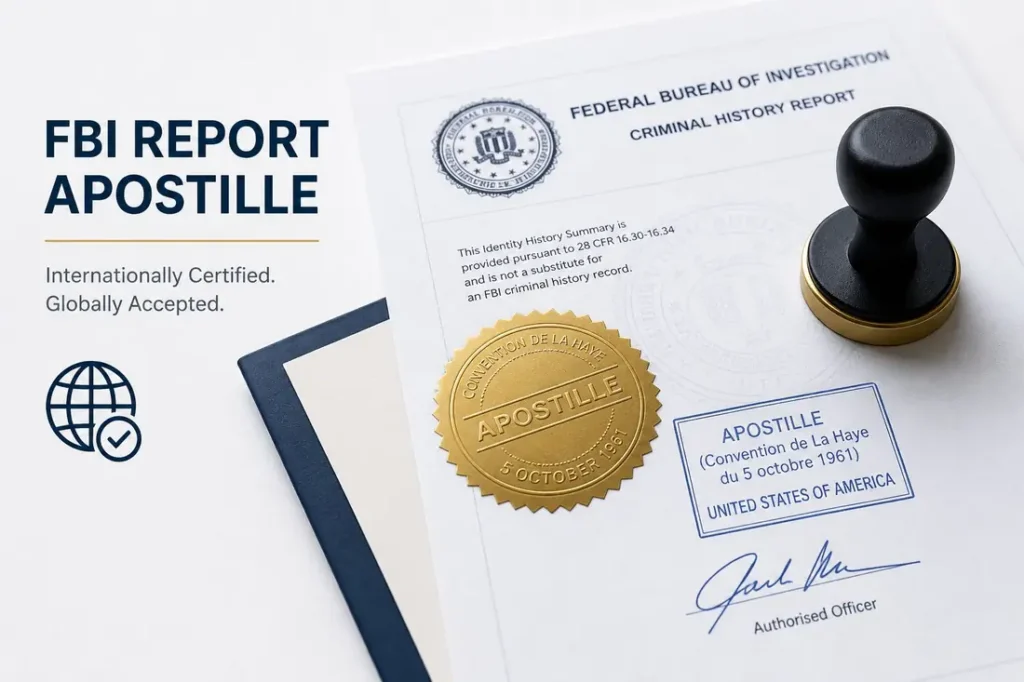
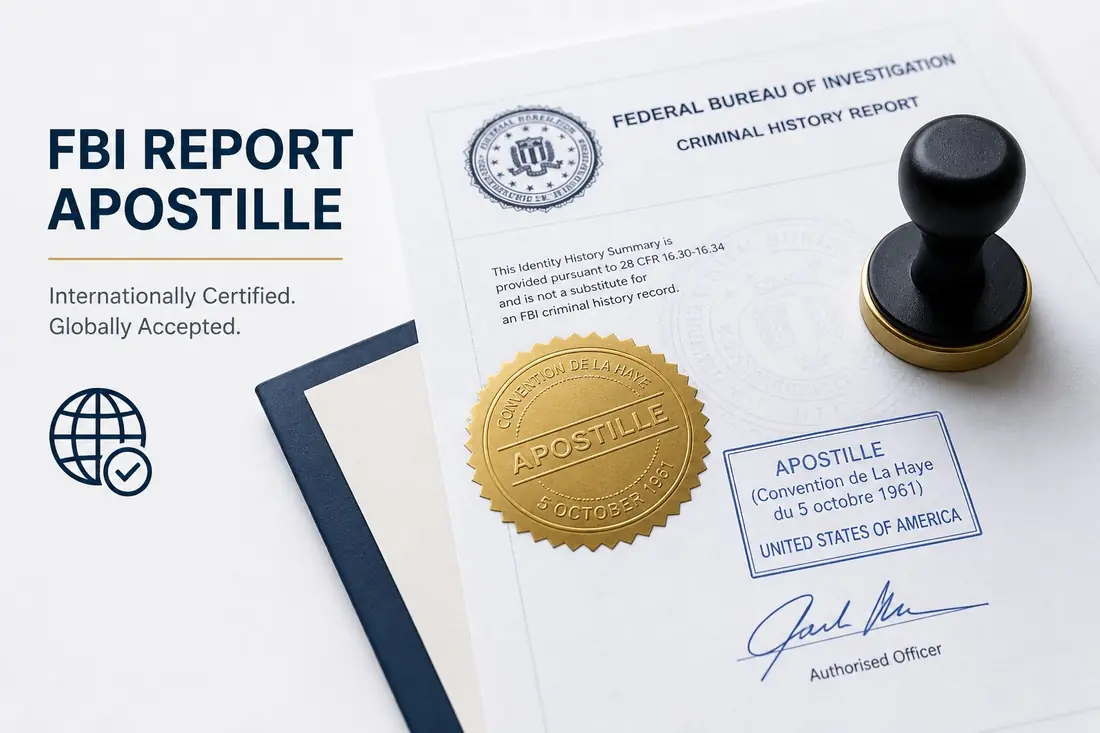
We capture prints and submit through an approved channeler, with an apostille if it is going abroad.
Does it need an apostille?
Only if it goes to a consulate or foreign authority. A US office usually needs none.
Can you prepare the rest?
Yes. We assist with the immigration document preparation alongside the report.
Get the report your case actually asks for.
FBI background checks for immigration in San Jose — captured, obtained through an approved channeler, apostilled for consular use, and paired with your paperwork. Walk in or book ahead.